 24/7 EMERGENCY CHEMICAL SPILL RESPONSE LIVE OPERATOR 800.988.4424
Meth Lab Cleanup Services
HCI Environmental is a leading meth lab cleanup company with expertise in clandestine drug lab remediation and the decontamination of drug labs. We provide meth lab cleanup, fentanyl remediation services, and environmental remediation for properties impacted by illegal drug manufacturing, storage, or use. These environments can create serious health hazards for property owners, tenants, workers, first responders, and surrounding communities.
Methamphetamine labs and fentanyl contamination can occur in rental homes, apartments, commercial buildings, industrial spaces, abandoned structures, and vehicles. It is crucial to be aware of the hazards and chemical residues present in these environments, as they can pose significant risks. When fentanyl powder, chemical residues, solvents, or contaminated building materials are present, trained professionals should follow strict safety protocols.
With decades of experience, HCI manages each site with safety, resources, and clear regulatory knowledge. Chemicals used in meth production, such as lithium, acetone, ammonia, and hydrochloric acid, are extremely dangerous and pose significant health risks to individuals exposed to them.
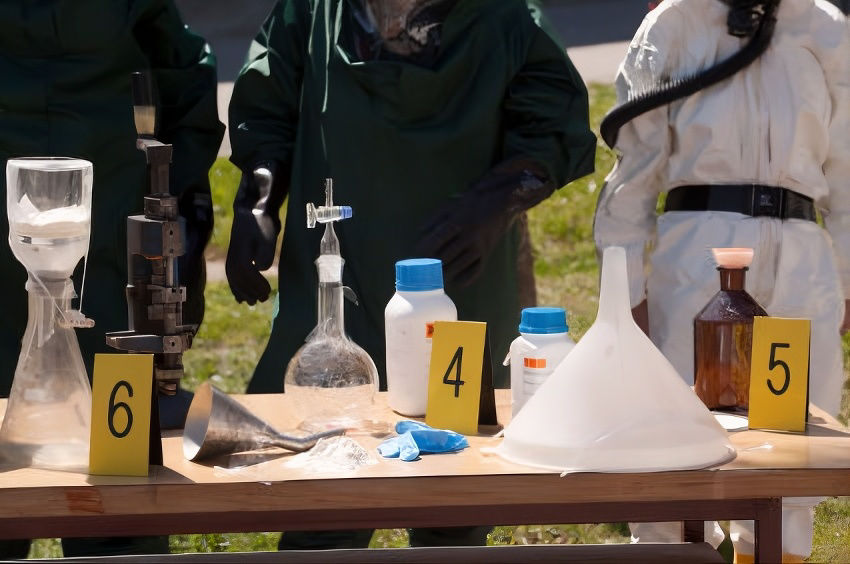
Meth Lab Cleanup for Contaminated Properties
A meth lab cleanup involves more than removing visible materials. Methamphetamine production can leave residue on indoor surfaces, HVAC components, porous materials, painted drywall, wood, flooring, fixtures, and personal property. Contaminants from former methamphetamine labs can be absorbed by building materials and furniture, which may continue to release harmful chemicals long after the lab has been shut down.
HCI begins each lab cleanup by assessing the property, identifying contaminated areas, and determining the extent of contamination. We follow established cleanup procedures for former methamphetamine labs, adhering to official guidelines and best practices to ensure thorough decontamination. Meth residues can remain in a property for years, posing risks of toxic exposure, particularly to children. Our team then develops a site-specific plan for safety, access, removal, disposal, and testing expectations.
Fentanyl Remediation Services for High-Risk Contamination
Fentanyl remediation requires a specialized approach because fentanyl is a highly potent synthetic opioid with extreme toxicity, making it far more dangerous than morphine. The dangers of exposure create public health concerns and can increase risks for responders, workers, and occupants when fentanyl powder or residue is present. Exposure to methamphetamine and its byproducts can also lead to serious health issues, including respiratory problems, skin irritation, and long-term neurological effects.
HCI provides fentanyl remediation services for properties where fentanyl contamination is known or suspected. This may include fentanyl cleanup after law enforcement activity, fentanyl lab cleanup, room decontamination, or facilities where illicit drugs were discovered.
Serious Health Hazards Require Professional Response
Methamphetamine, fentanyl, and other illicit drugs can leave behind hazardous materials that are not always visible. These drug manufacturing residues and chemicals pose significant health risks, including potential contamination that can endanger both the property's structure and its inhabitants. Exposure can occur when contaminated dust, residue, chemicals, or debris are disturbed during renovation, remodel work, property turnover, or unauthorized cleanup.
Because these risks can affect human health, safety is our top priority. HCI protects clients, employees, workers, first responders, and the community through site controls, PPE, containment, and regulated disposal methods. Our professional meth lab cleanup services ensure safety by following rigorous scientific protocols and provide legal protection through documented compliance with state and federal regulations. Professional remediation also provides documented proof that contamination was removed to legal standards, protecting property owners from future lawsuits.
For medically significant exposure concerns or suspected overdose situations, emergency medical support and naloxone access may be critical before cleanup begins.
Regulatory Standards and Cleanup Guidance
Meth and fentanyl remediation may involve federal, state, and local regulatory agencies and departments. Various departments and agencies often follow the EPA’s Voluntary Guidelines for Methamphetamine Laboratory Cleanup. HCI helps clients understand applicable regulatory requirements and cleanup expectations before work begins.
The U.S. Environmental Protection Agency (EPA) developed these Voluntary Guidelines for Methamphetamine Laboratory Cleanup, first released in October 2009 and updated in 2013 and 2021 to include guidance on fentanyl remediation. These guidelines are based on an extensive review of the best available science and practices for cleanup. EPA.gov research continues to evaluate methods that degrade fentanyl on indoor surfaces contaminated by field conditions. HCI uses regulatory guidance, industry practices, and site-specific conditions to determine an appropriate cleanup approach.
Every project selecting HCI receives a practical plan built around safety, compliance, and the specific needs of the property.
Our Meth and Fentanyl Cleanup Process
HCI manages the decontamination, removal, waste handling, and disposal aspects of each cleanup through a highly regulated, multi-step method designed to remove toxic chemical residues that can cause severe health issues.
First, we inspect the site and assess visible and suspected contamination. Our trained and certified technicians, who are rigorously qualified—often with backgrounds in occupational hygiene, forensic science, or environmental health—play a crucial role in ensuring safety and thorough decontamination. Next, we develop a work plan that identifies materials, access needs, safety controls, equipment, and disposal requirements. Controlled containment and ventilation are essential steps: the area is sealed, and industrial air scrubbers are used to remove airborne particles. After law enforcement officials seize a meth lab, professionals trained in hazardous materials are typically called in to remove lab waste and bulk chemicals, and the property is ventilated for several days before cleaning begins, as recommended to ensure the safety of the removal crew and reduce air contaminants. Once approved, our professionals begin remediation and physical removal of hazardous materials.
Depending on the site, this may include HEPA vacuuming, surface cleaning, removal of porous building materials, packaging of contaminated waste, and decontamination solutions designed for the contaminants involved.
Decontamination Solutions for Indoor Surfaces
Effective decontamination depends on the contaminant, surface type, and extent of the impact. Hard surfaces such as floors and walls require thorough cleaning, often using HEPA vacuuming to eliminate dirt, dust, and cobwebs after carpet removal. It's also crucial to address heating and HVAC systems by maintaining and sealing all heating, ventilation, and air conditioning components to ensure optimal performance and air quality. Nonporous surfaces, painted drywall, unfinished wood, insulation, carpeting, furniture, and HVAC materials may require different treatment or removal methods.
Porous surfaces like walls, floors, and ceilings must be thoroughly cleaned during meth lab cleanup services, as they can retain contamination from the meth cooking process. If visible contamination is present, complete removal and replacement of those surfaces is recommended. Porous items that cannot be fully decontaminated are bagged, sealed, and disposed of at licensed hazardous waste facilities.
When fentanyl remediation is required, the cleanup strategy may combine physical removal with approved technologies intended to degrade fentanyl and reduce residue. For methamphetamine contamination, the process may include targeted cleaning, removal of affected materials, and confirmatory sampling based on applicable regulations.
HCI is committed to safe, efficient, and appropriate decontamination solutions for each property.
Hazardous Materials Removal and Disposal
Drug lab cleanup often involves hazardous materials, contaminated debris, chemical containers, asbestos lead concerns, mold, solvents, and waste that must be packaged and disposed of properly. Properties where cooking meth or meth production has occurred are especially dangerous due to the hazardous chemicals used and produced, which can linger and contaminate the environment. Meth production can cause structural contamination, as toxic chemicals from the manufacturing process seep into walls, floors, and ventilation systems, creating long-term health and safety risks.
HCI manages these aspects through trained teams, specialized equipment, and environmental management practices that support compliance from the site through final disposal. Our experience with hazardous waste, asbestos abatement, lead, mold, and environmental remediation allows us to address unexpected conditions during cleanup.
We also coordinate hauling and disposal so clients have one reliable cleanup team.
Support for Property Owners and General Contractors
HCI serves property owners, managers, general contractors, commercial clients, agencies, and industrial facilities with a comprehensive meth lab cleanup service that includes property restoration, safety assurance, consultation, and strict compliance with regulatory standards. Whether the job involves a single house, a commercial building, or multiple structures, we help determine the safest and most efficient path forward. Always verify that your meth lab cleanup company carries general liability, workers' compensation, and environmental pollution insurance to ensure protection from risks associated with hazardous waste handling.
Our team can support remodel, renovation, demolition, and restoration efforts by addressing contamination before other trades enter the space.
Prevention and Regular Site Inspections
Meth lab cleanups are expensive and disruptive, so prevention is important. HCI recommends regular inspections when property owners or managers suspect illegal activity or unusual conditions.
Warning signs may include unusual odors, chemical containers, stained surfaces, excessive trash, blocked windows, ventilation changes, or materials associated with drug manufacturing. If meth or fentanyl contamination is suspected, do not disturb the area. Secure the site, limit access, and contact trained professionals.
Why Choose HCI Environmental
HCI has the licensing, permits, training, equipment, and experience required for specialized meth lab cleanup and fentanyl remediation, including hazardous site assessment and decontamination of meth labs. Clients rely on us because we bring precision, discretion, safety, and accountability to complex cleanup projects. As a reputable firm, we provide a detailed Preliminary Site Assessment to identify the specific methamphetamine manufacturing method used and the resulting chemical hazards, ensuring all health, safety, legal, and environmental guidelines are met.
We take pride in serving communities with a commitment to safety, environmental responsibility, and practical problem solving. From consultation to final documentation, HCI works to protect people and property.
Frequently Asked Questions
What should I do if I suspect a meth lab or fentanyl contamination?
Do not enter, clean, or disturb the site. Limit access, protect anyone who may be exposed, and contact qualified cleanup professionals. Call emergency responders first for immediate emergencies.
Can HCI clean both methamphetamine and fentanyl contamination?
Yes. HCI provides meth lab cleanup, fentanyl cleanup, and broader drug decontamination services. When multiple contaminants are present, we assess the site and develop a cleanup plan for the specific risks involved.
How do you confirm the property is ready for use?
Depending on regulations and project needs, confirmatory inspection, rigorous testing, sampling, and analysis may verify cleanup efficacy. If results show remaining contamination, additional remediation may be required before reoccupation.
Contact HCI for Meth Lab Cleanup and Fentanyl Remediation
Protect your property, workers, and occupants from the risks of methamphetamine, fentanyl, and hazardous drug contamination. Contact HCI Environmental today to request a consultation and learn how our team can provide safe, compliant, and efficient decontamination services.
Contact HCI Today- Customer Service
- Regulatory Downloads
- General Contractor
- Waste Transportation
- Waste Disposal
- Homeless Encampment Cleanup
- Healthy Clean Interiors Program
- Bio-hazardous waste
- 24/7/65 Emergency Chemical Spill & Disaster Response
- Demolition
- Firing Range Maintenance
- Meth Lab Remediation
- Fentanyl Remediation
- Trauma Scene Remediation
- Asbestos, Lead & Mold Abatement
- Electronic Waste Recycling
- Waste Oil Recycling
- Scrap Metal Recycling
- Live OSHA Training
- Online OSHA Training
- k-12/Higher Education