 24/7 EMERGENCY CHEMICAL SPILL RESPONSE LIVE OPERATOR 800.988.4424
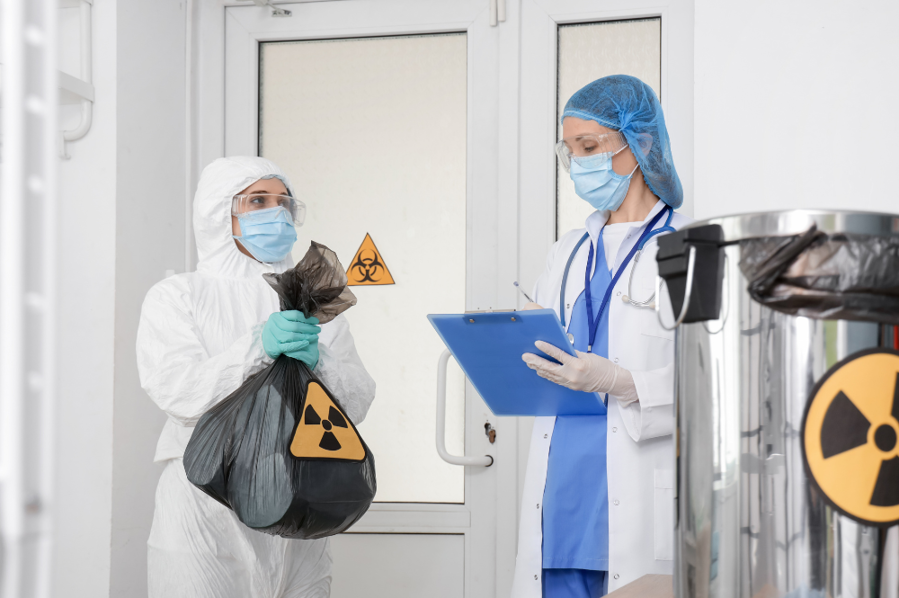
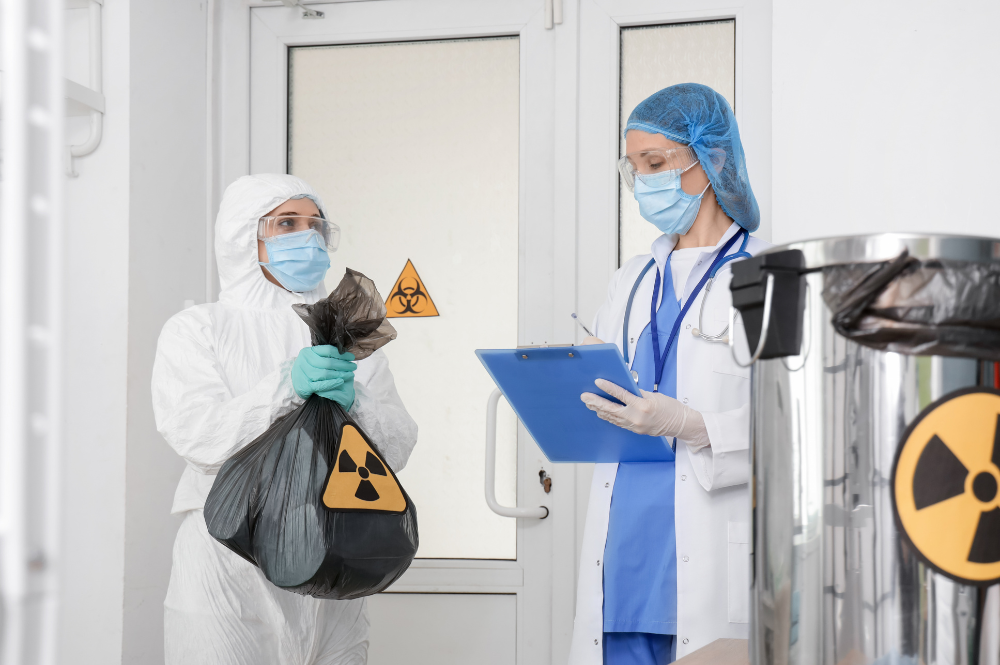
Managing hazardous waste isn’t just a legal requirement, it’s a critical responsibility for any business that generates, stores, treats, or transports potentially dangerous materials. The regulatory landscape is complex, with strict hazardous waste disposal regulations established by federal and state agencies to protect human health and the environment.
At HCI Environmental, we guide clients through the maze of requirements outlined by the Resource Conservation and Recovery Act (RCRA), the Environmental Protection Agency (EPA), and other governing bodies. This blog explains the basics of compliance, how the rules apply to hazardous waste generators, and how our team can help your business stay on track.
Key Takeaways
Understand what qualifies as hazardous waste under RCRA regulations
Learn how waste classification and manifesting ensure EPA compliance
Get familiar with cradle-to-grave generator responsibilities and documentation
Discover how HCI’s disposal services simplify long-term regulatory success
See how federal regulations apply across sectors from manufacturing to logistics
What Is Hazardous Waste?
Hazardous waste is a subset of solid waste that poses risks to people or the environment. The EPA uses four key criteria to define it: ignitability, corrosivity, reactivity, and toxicity. Examples include solvents, sludges, oils, heavy metals, and expired chemicals.
Under RCRA guidelines, materials must be tested and categorized before they are stored or transported. Some waste may even be deemed universal waste (like batteries or certain electronics), depending on the source and state-specific classification.
Breaking Down Key Hazardous Waste Regulations
Most disposal activities are governed by the RCRA. Under RCRA guidelines, generators must properly store, transport, and dispose of their waste, all while tracking it through a documented waste manifest system.
Other regulatory layers include:
Department of Transportation (DOT) rules for moving waste materials
State and local agencies that may impose additional disposal requirements
OSHA standards around safe handling and worker exposure
Each facility must follow its generator status rules, which vary depending on the volume and type of waste produced.
Understanding Cradle-to-Grave Liability
Under the Resource Conservation and Recovery Act, hazardous waste generators are legally responsible for waste from the moment it's created until it reaches a licensed treatment, storage, or disposal facility. This is known as cradle-to-grave responsibility.
Even if a third-party transporter or disposal company mishandles your waste, the liability often falls on the original generator. That’s why it’s vital to partner with experienced professionals who understand waste management, labeling, and transport requirements and who operate with full compliance in mind.
EPA Compliance and the Role of Manifests
To dispose of hazardous waste properly, businesses must use the Uniform Hazardous Waste Manifest. This is a tracking document that follows waste from the generator through to the final facility.
Each manifest includes:
Waste codes
Generator and transporter IDs
Container counts and weights
Storage and treatment methods
Signatures from all involved parties
This system creates a transparent, documented chain of custody, which is essential for EPA compliance and auditing purposes. HCI ensures your manifest documents are accurate, complete, and securely stored.
What the Regulations Actually Require
Hazardous waste disposal regulations can vary based on waste type, volume, and state. However, common compliance steps include:
Waste evaluation and classification
Completing waste profiles and notifications
Following labeling instructions for containers
Using leak-tight containers and proper storage conditions
Coordinating licensed transport and disposal
Keeping records for at least three years
Some facilities may also be subject to regulations regarding underground storage tanks, air emissions, or recycling of certain materials. HCI provides full support for navigating these requirements and staying aligned with current standards.
How HCI Environmental Helps You Stay Compliant
We provide fully integrated services for hazardous waste generators in industries including healthcare, manufacturing, and logistics. Our team:
Conducts detailed facility audits
Offers training and instructions for on-site teams
Handles waste profiling, labeling, and manifest creation
Transports and disposes of waste in certified facilities
Stays updated on changing rules, forms, and code requirements
Our process is built around long-term compliance, helping your business avoid risk while supporting a safer, cleaner environment.
Common Compliance Mistakes to Avoid
Even companies with good intentions fall short. We frequently see issues like:
Missing labels or incorrect hazard codes
Improper segregation of hazardous and solid waste
Exceeding allowable on-site storage limits
Using non-certified disposal partners
Failure to maintain documentation or manifests
These mistakes can jeopardize your operation. HCI’s team can step in before small errors become major violations.
Make Compliance Part of Your Routine
Meeting hazardous waste disposal regulations doesn’t need to feel like a burden. With HCI Environmental’s expert support, you’ll gain confidence knowing every detail—from classification to transport—is handled with care and precision. Protect your operation, reduce your liability, and support a safer future.
Contact us today to schedule a compliance consultation and see how we can support your facility’s waste management strategy.
Frequently Asked Questions
What do RCRA regulations require from hazardous waste generators?
RCRA regulations require hazardous waste generators to properly identify their waste, categorize it based on volume, and follow strict protocols for storage, labeling, recordkeeping, and disposal. These regulations help ensure waste is managed safely throughout its lifecycle.
How does the Resource Conservation and Recovery Act impact my business?
The Resource Conservation and Recovery Act (RCRA) sets the national framework for how hazardous waste must be managed from generation to disposal. It impacts your business by establishing EPA compliance requirements around handling, tracking, and reporting hazardous materials.
What are the best practices for ongoing waste management compliance?
Best practices include maintaining updated waste profiles, using clearly labeled containers, completing a proper waste manifest for all shipments, and conducting regular staff training. Working with certified disposal services like HCI helps streamline these tasks and reduce risk.
How can I ensure I’m following hazardous waste disposal regulations?
The best way to ensure compliance with hazardous waste disposal regulations is to start with a hazard classification, document all waste streams, and follow federal and state rules closely. Partnering with a knowledgeable provider like HCI makes the process more efficient and reliable.
Why is resource conservation important in hazardous waste programs?
Resource conservation reduces the volume of hazardous waste generated and cuts disposal costs, all while supporting environmental responsibility. Implementing recycling and treatment strategies also helps businesses align with RCRA guidelines and EPA goals.