 24/7 EMERGENCY CHEMICAL SPILL RESPONSE LIVE OPERATOR 800.988.4424
Fentanyl Cleanup and Remediation Services
HCI Environmental provides professional fentanyl cleanup, fentanyl remediation services, and decontamination services for homes, businesses, vehicles, public spaces, and facilities impacted by illicit drugs. Fentanyl contamination can create serious health hazards for occupants, first responders, property teams, and workers when fentanyl powder, residue, or contaminated materials are disturbed.
Fentanyl is a highly potent synthetic opioid, many times more potent than morphine, used medically and found in illicit drug environments. Because the risks to human health can be critical, cleanup should be handled by trained professionals using strict safety protocols and proper equipment.
With more than three decades of experience, HCI helps clients protect people, property, and communities through safe, efficient, and compliant remediation.
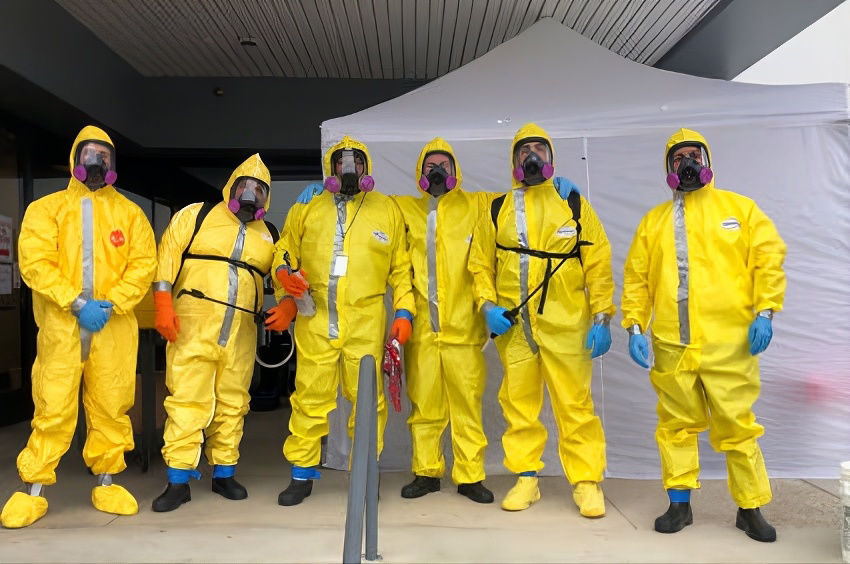
Fentanyl Remediation for High-Risk Environments
Fentanyl remediation may be needed after drug activity, law enforcement response, accidental spills, suspected fentanyl lab cleanup, or discovery of contaminated areas. These situations can occur in residential properties, commercial buildings, rehabilitation centers, medical offices, holding cells, interrogation rooms, rental vehicles, multi-family housing, and other environments.
Our team is trained to assess each site, determine the extent of contamination, and build a plan around the specific needs of the property. Whether the job involves one room, a vehicle, or an entire building, HCI provides practical fentanyl remediation services designed to reduce risks and restore safe access.
Why Fentanyl Contamination Requires Professional Cleanup
Fentanyl contamination is not always visible. Residue can remain on indoor surfaces, equipment, flooring, furniture, vents, painted drywall, wood, fabrics, and other building materials. When these materials are moved or cleaned without the right controls, contamination can spread.
DIY cleanup is not recommended. Improper handling can expose workers, tenants, property managers, or responders to unknown contaminants and may make the site harder to clean. HCI uses physical removal, containment, decontamination solutions, and rigorous testing to support safe cleanup and documented results.
Strict Safety Protocols From Start to Finish
Safety is the top priority on every fentanyl cleanup project. HCI follows strict safety protocols to protect employees, clients, first responders, and anyone who may be exposed.
Before work begins, we control access to the site, evaluate hazards, identify contaminated areas, and establish the equipment and protective measures needed for the cleanup. Depending on the project, this may include specialized PPE, respiratory protection, containment, HEPA vacuuming, air filtration, controlled disposal, and additional technologies selected for the site conditions.
If a medically urgent exposure or overdose concern is present, emergency responders and naloxone resources may be necessary before cleanup begins.
EPA Guidance and Voluntary Guidelines
The Environmental Protection Agency has developed voluntary guidelines for methamphetamine and fentanyl laboratory cleanup. These guidelines help regulatory agencies, cleanup contractors, industrial hygienists, and professionals involved in drug lab cleanup evaluate safer practices for contaminated properties.
HCI uses EPA guidance, state and local regulations, industry research, and project-specific conditions to determine the right cleanup approach. When applicable, our team also coordinates with regulatory agencies and documentation requirements to support safe reoccupancy and responsible environmental remediation.
Our Fentanyl Cleanup Process
HCI’s fentanyl cleanup process is designed to be thorough, controlled, and adaptable. Every project begins with a consultation and site assessment. Our professionals evaluate visible materials, known drug activity, access concerns, building systems, and the possible spread of contaminants.
From there, we develop a cleanup plan that may include containment, physical removal, decontamination, waste packaging, disposal coordination, and final testing. The process is built to manage both the immediate dangers of fentanyl and the practical needs of the property owner.
Decontamination Solutions for Indoor Surfaces
Different surfaces require different decontamination solutions. Nonporous indoor surfaces may be cleaned and treated differently than porous materials such as carpet, upholstery, insulation, and unfinished wood. In some cases, removal is the safest and most effective option.
EPA research has evaluated methods to degrade fentanyl on indoor surfaces contaminated by field conditions. Depending on the contamination, HCI may use approved cleaning agents, HEPA vacuuming, surface treatment, and controlled removal of affected materials. The goal is to clean contaminated areas efficiently while preventing cross-contamination.
Hazardous Materials Removal and Disposal
Fentanyl contamination is often part of a larger hazardous materials issue. Sites may also involve methamphetamine, other illicit drugs, chemical containers, contaminated debris, sharps, biological materials, asbestos, lead, mold, or unknown waste.
HCI has the resources and equipment to manage these aspects safely. Our team handles removal, packaging, hauling, and disposal in accordance with applicable regulations. This allows clients to work with one committed contractor for cleanup, remediation, waste transportation, and disposal support.
Fentanyl Cleanup for Law Enforcement and First Responders
Law enforcement agencies and first responders often encounter fentanyl contamination in vehicles, evidence areas, public buildings, holding cells, and emergency response scenes. HCI provides responsive cleanup services to help protect responders and restore affected spaces.
Our team understands that these projects can involve sensitive operations, public health concerns, and tight timelines. We work efficiently while maintaining safety, documentation, and discretion throughout the process.
Commercial, Residential, and Vehicle Cleanup
HCI serves commercial clients, property managers, homeowners, rental housing operators, vehicle rental companies, and public agencies. Fentanyl remediation may be needed after a tenant move-out, police action, overdose incident, spill, public exposure concern, or discovery of fentanyl powder.
We also support general contractors, restoration teams, and renovation crews that need contamination addressed before repairs or remodel work can proceed.
Related Drug Lab Cleanup Services
In addition to fentanyl remediation, HCI provides meth lab cleanup and broader lab cleanup services for properties impacted by meth, fentanyl, and other contaminants. Methamphetamine and fentanyl cleanup may involve different hazards, regulations, and testing expectations, but both require trained professionals and careful site control.
When multiple substances are involved, our team assesses the full scope before cleanup begins.
Frequently Asked Questions
When should I request fentanyl remediation services?
You should request fentanyl remediation services when fentanyl contamination is known, suspected, or discovered through drug activity, law enforcement response, spills, or visible powder and residue. Do not disturb the area before professionals assess the site.
Can fentanyl contamination occur in vehicles?
Yes. Fentanyl contamination can occur in police vehicles, rental fleet vehicles, personal vehicles, and transportation spaces where illicit drugs were handled, stored, or spilled.
How does HCI confirm cleanup efficacy?
Depending on the project, HCI may use inspection, sampling, documentation, and rigorous testing to evaluate cleanup efficacy. If testing shows that contamination remains, additional remediation may be required before the property is released for use.
Contact HCI for Fentanyl Remediation Services
Protect your property, employees, occupants, and responders from the dangers of fentanyl contamination. Contact HCI Environmental today for a consultation, emergency response support, or fentanyl remediation services built around your site, budget, regulations, and safety expectations.
Contact HCI Today- Customer Service
- Regulatory Downloads
- General Contractor
- Waste Transportation
- Waste Disposal
- Homeless Encampment Cleanup
- Healthy Clean Interiors Program
- Bio-hazardous waste
- 24/7/65 Emergency Chemical Spill & Disaster Response
- Demolition
- Firing Range Maintenance
- Meth Lab Remediation
- Fentanyl Remediation
- Trauma Scene Remediation
- Asbestos, Lead & Mold Abatement
- Electronic Waste Recycling
- Waste Oil Recycling
- Scrap Metal Recycling
- Live OSHA Training
- Online OSHA Training
- k-12/Higher Education